

You planned the week. Now go make coffee.
Wonderfully Made Home holds the plan so you don't have to carry it in your head. Your children open their own day, one thing at a time, and bring the finished work back to you.
Built for real homes with several ages at one table.
Most days, you are the plan.
You know what each child is supposed to do. You know who's behind, who's bored, who needs a hand with fractions. It all lives in your head, and it all has to come out of your mouth, one reminder at a time, from breakfast until dinner.
That's the part we wanted to change. Not the teaching — the carrying.
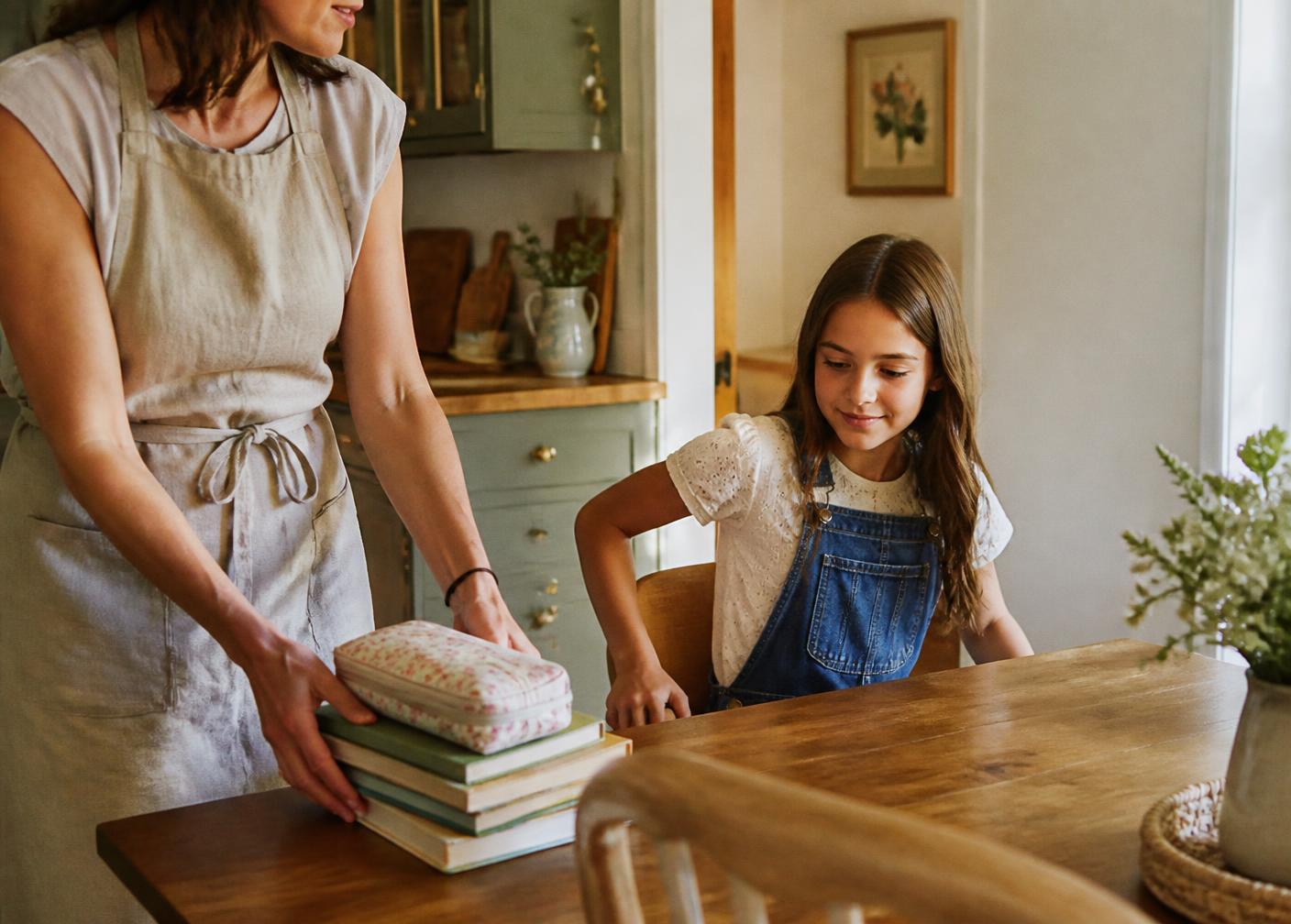
Plan once. Hand it off. Bless the work.
Three moves, repeated. That's the whole rhythm — and after a couple of weeks, your children start running it without you.
01
Sunday evening, twenty minutes
02
Tuesday morning, without you
03
Whenever you sit down
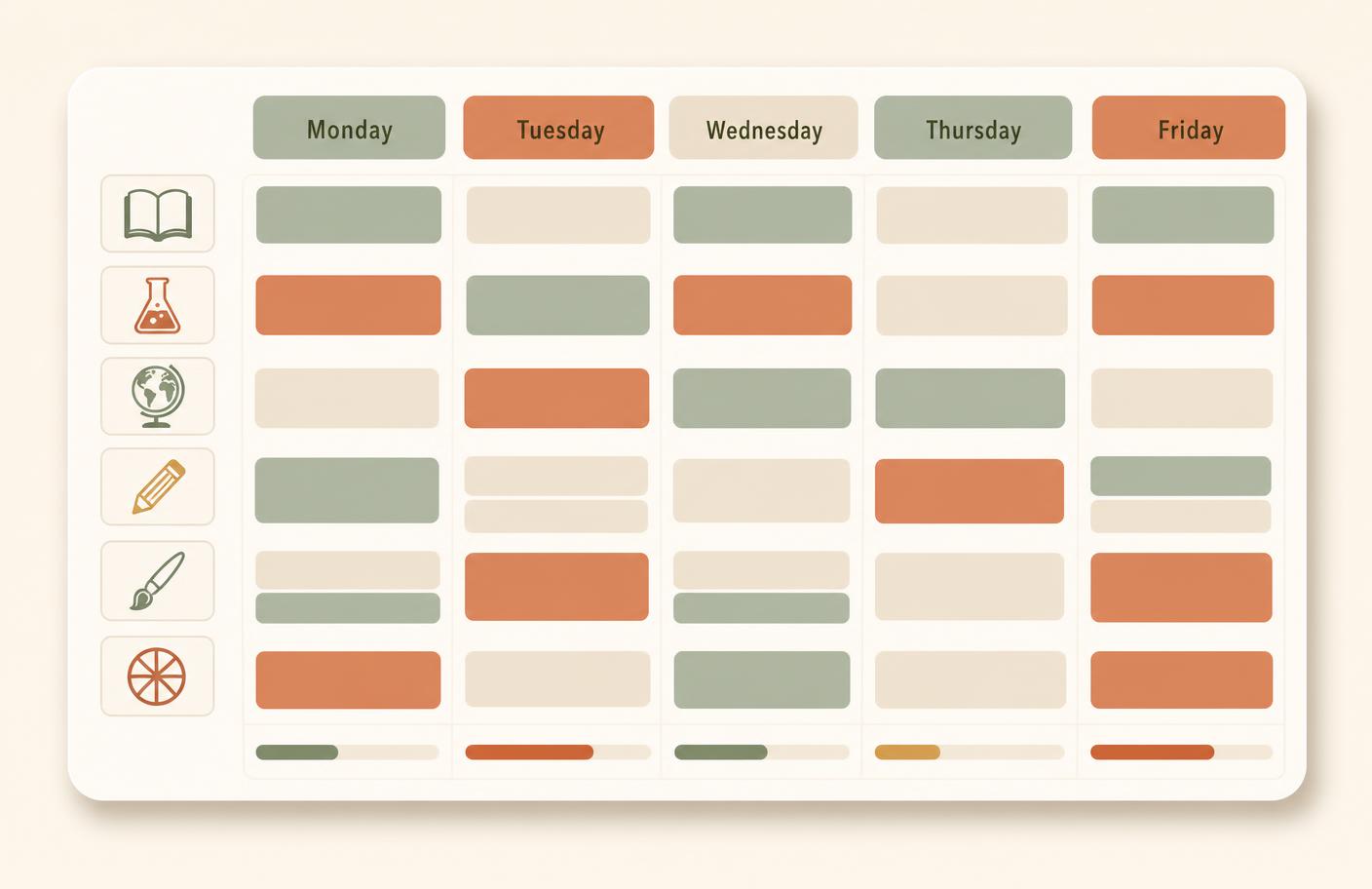
Points come from a parent's blessing. Never from a screen.
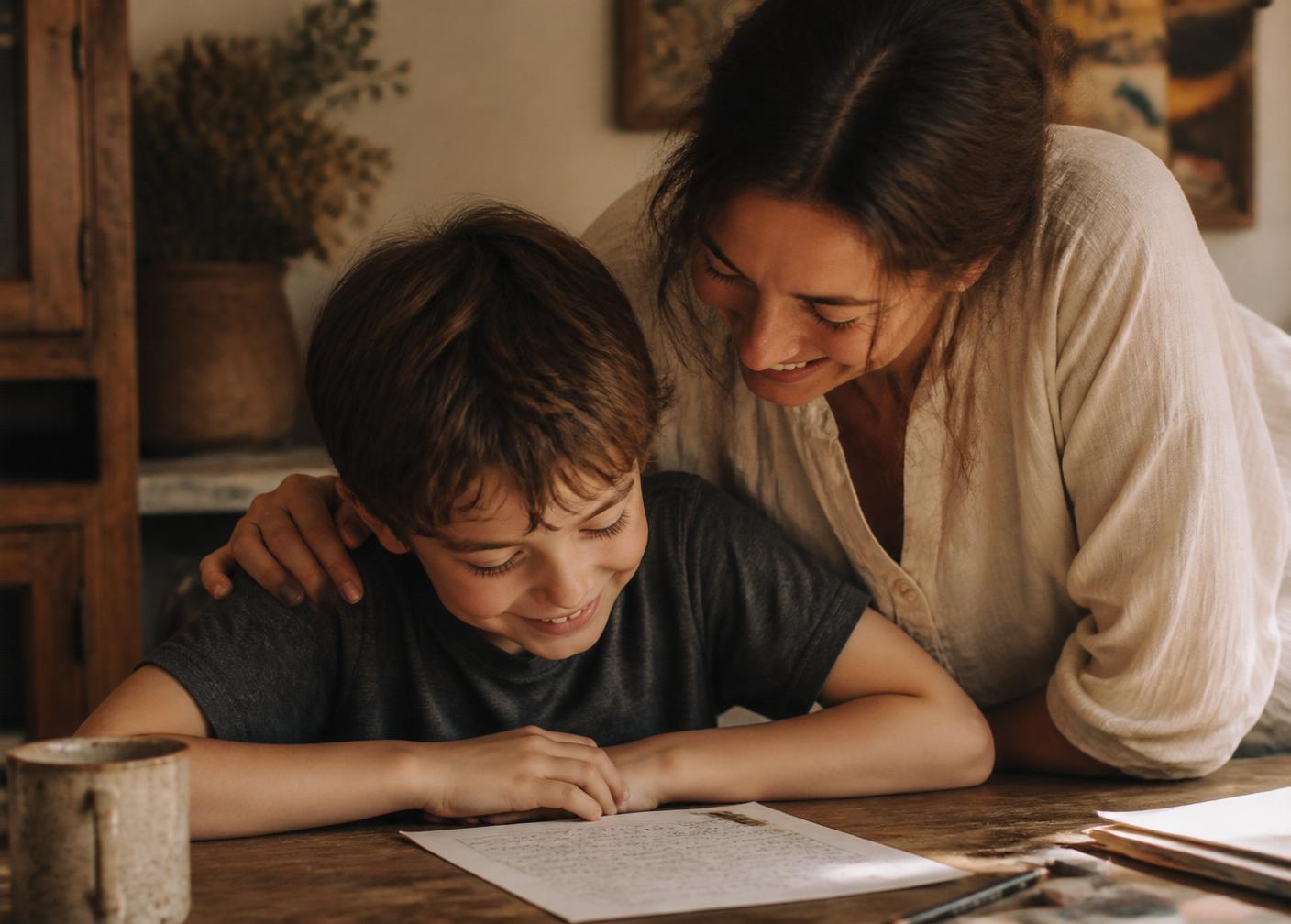
The moment work becomes worth something
When a child finishes, it comes to you — with what they did and, if you ask for it, a sentence about how it went. You give a warm yes, or a kind “let's make this one stronger together.”
Either way it's you speaking, not a notification. That's the difference between a child who performs and a child who grows.
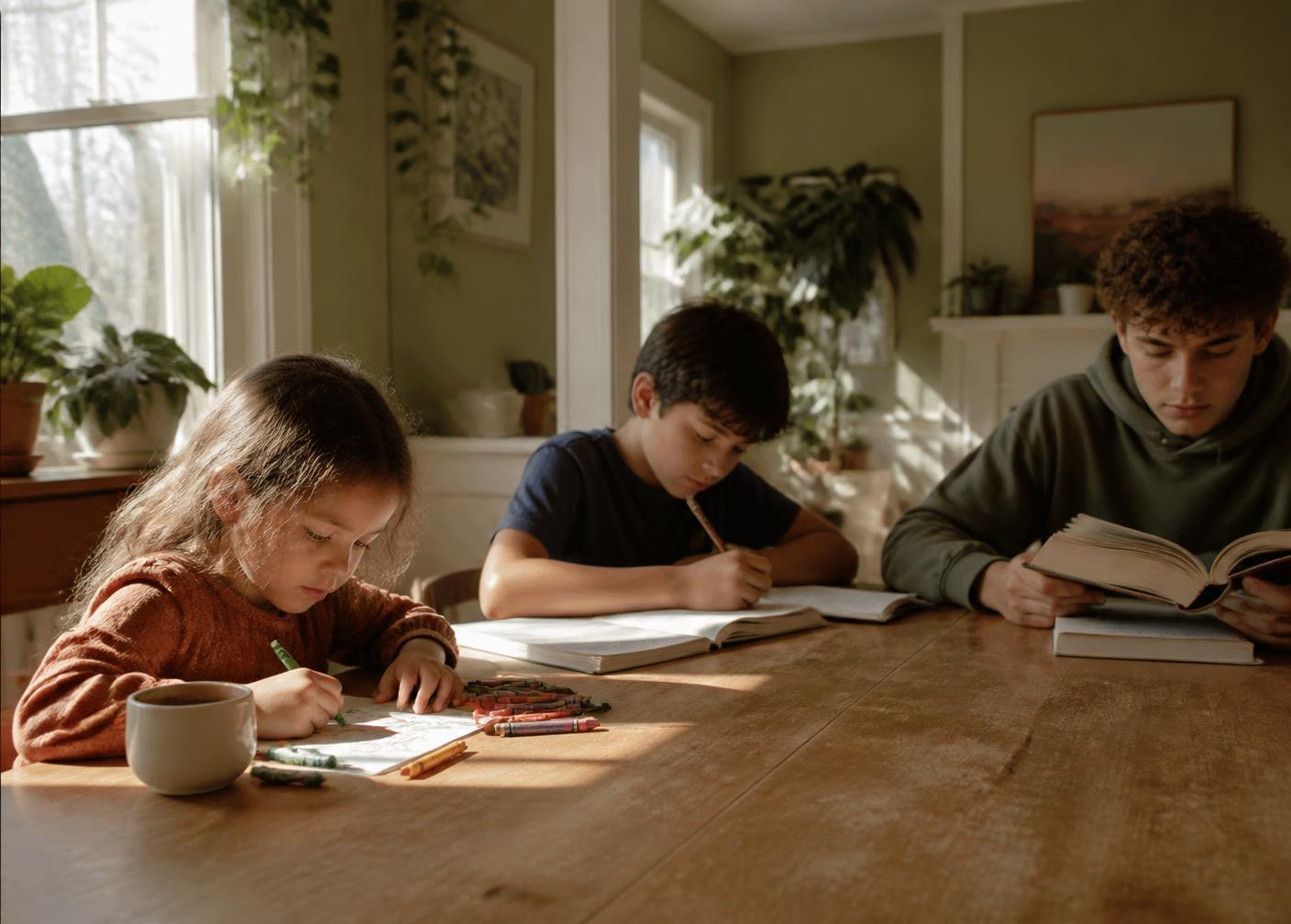
A five-year-old and a sixteen-year-old need different doors
Your youngest gets big pictures, a read-aloud button, and one card at a time. Your teen gets a plain, grown-up view of the term ahead. Same family, same plan — four different front doors.

A whole week, from the inside
Sunday evening planning, Monday morning handoff, and the moment finished work comes back for your yes.
We're opening a few homes at a time
Leave your email and we'll write when there's room for your family. No newsletter, no drip campaign — just one honest note.